

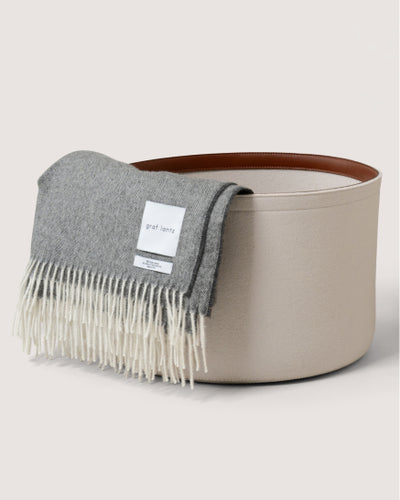

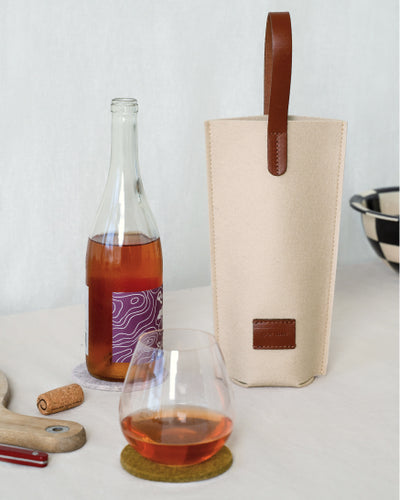

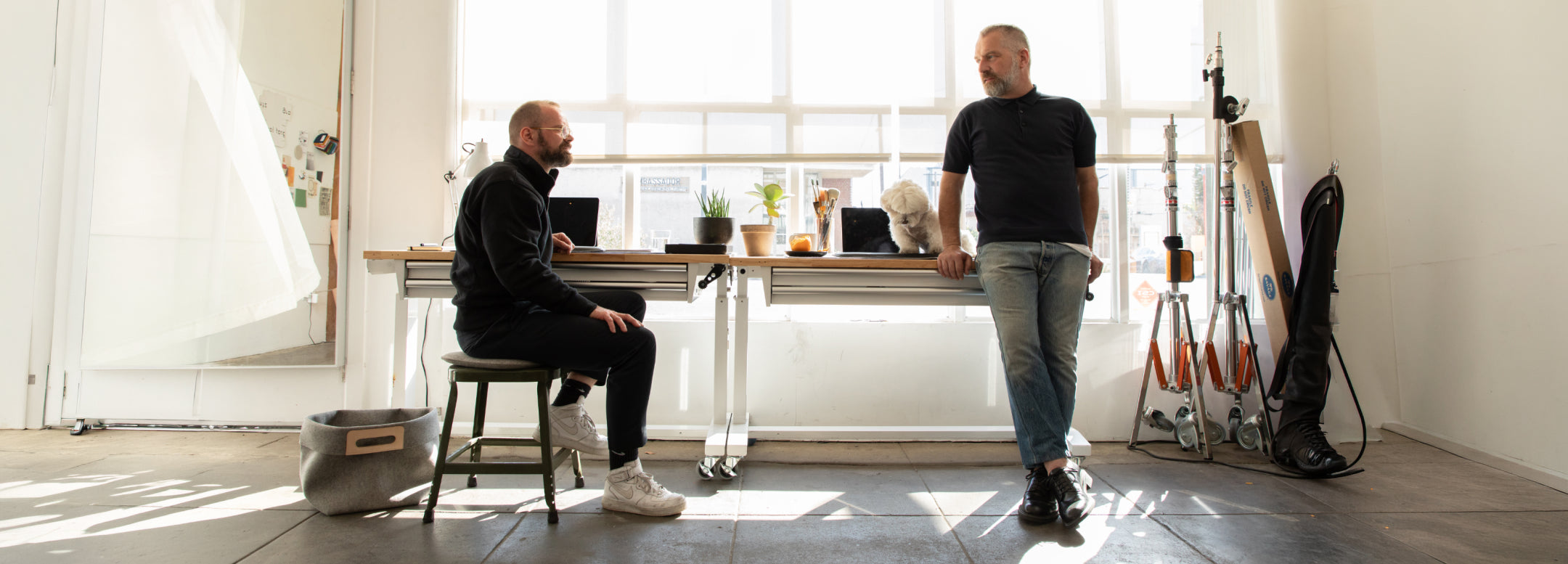
"When we stumbled into this business 17 years ago, sustainability was barely a whisper in the wind. We chose specifically to make our products with undervalued yet uncompromising Merino wool felt that just happens to be one of the most sustainable materials in the world.
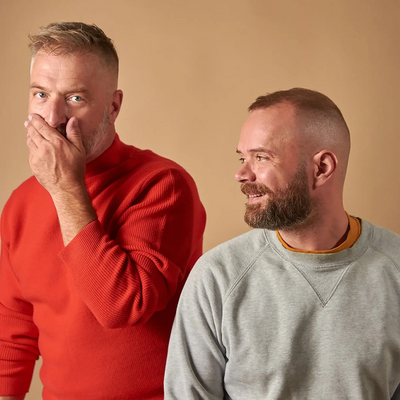
We also chose to produce in the US because we were able to maintain the level of quality that we insisted on. Using every last scrap of material was a simple matter of cost-effective efficiency. It meant survival then. It still does today, but it wasn't until later that we made the connection between what we do every day, the continued choices we make, and our role in the much larger concept of sustainability."
— Daniel Lantz & Holger Graf, Founders
Sustainability
How We Think About It
For us, sustainability lives inside the decisions that come before anything is made: which materials to source, where to produce, how much to waste, and how long something should last. What started as practical choices became convictions, and they still are.
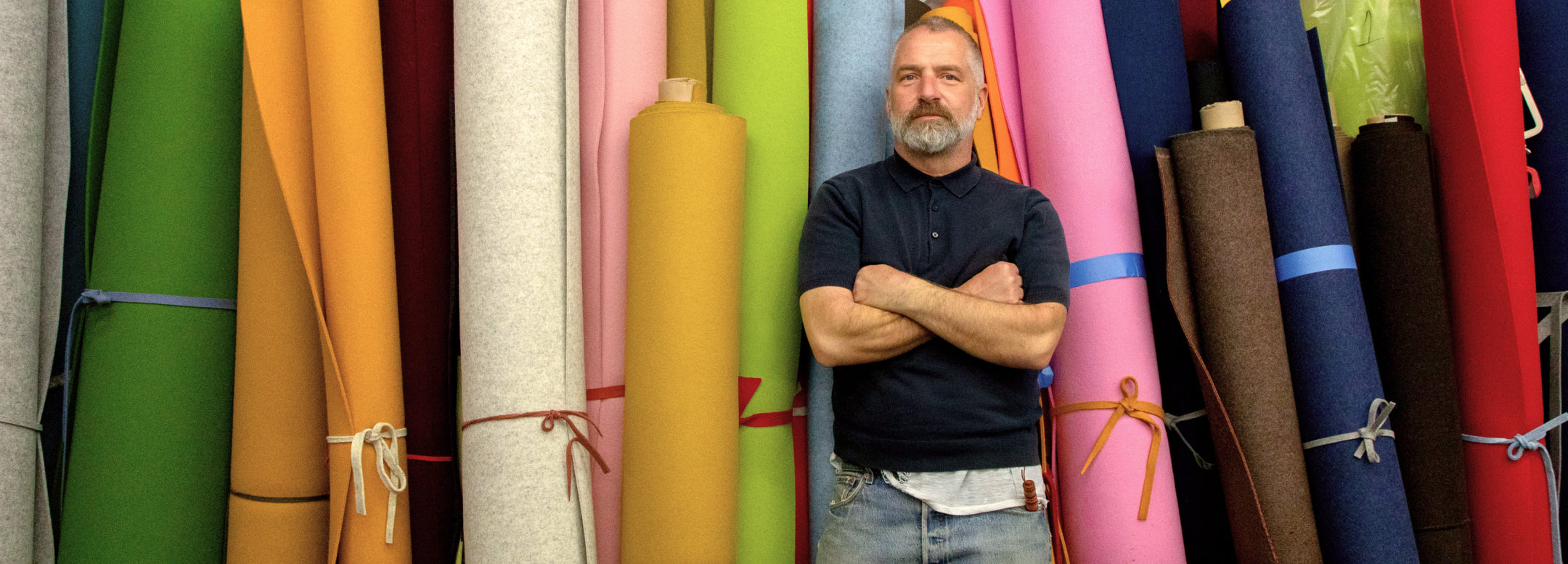
Longevity isn't a trend to us, it's the simplest version of sustainability.

Merino Wool
Renewable by Nature
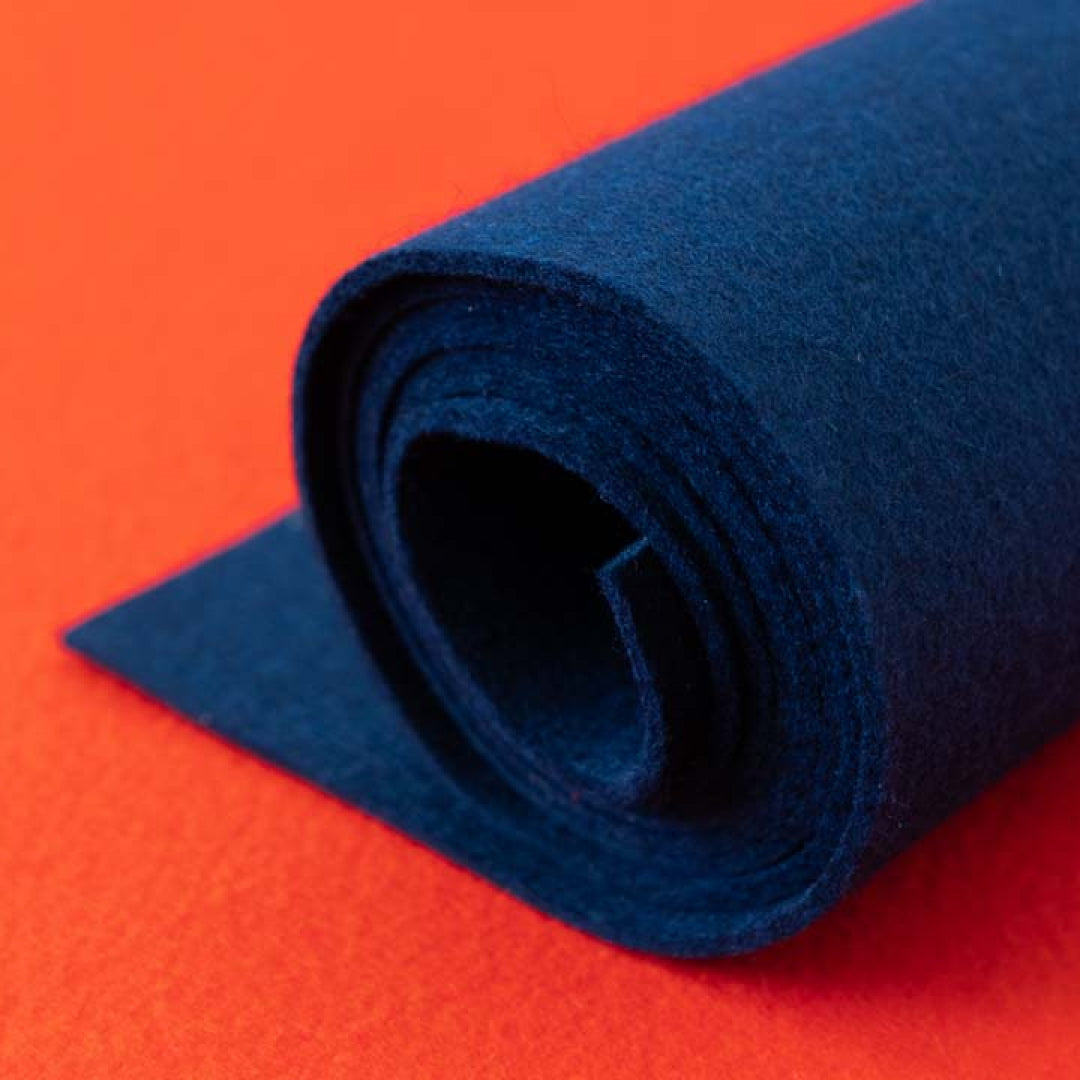
Merino wool is one of the most inherently sustainable fibers on earth. It's renewable: Australian Merino sheep grow a fresh fleece every year. It's biodegradable: breaking down naturally in soil. It's OEKO-TEX certified, dyed without harmful chemicals. And it's mulesing-free, sourced from partners who prioritize animal welfare. Longevity is built into the fiber itself: Merino outlasts cotton by over 50%, which means fewer replacements and less waste over time.

Vachetta Leather
Made to Last a Lifetime
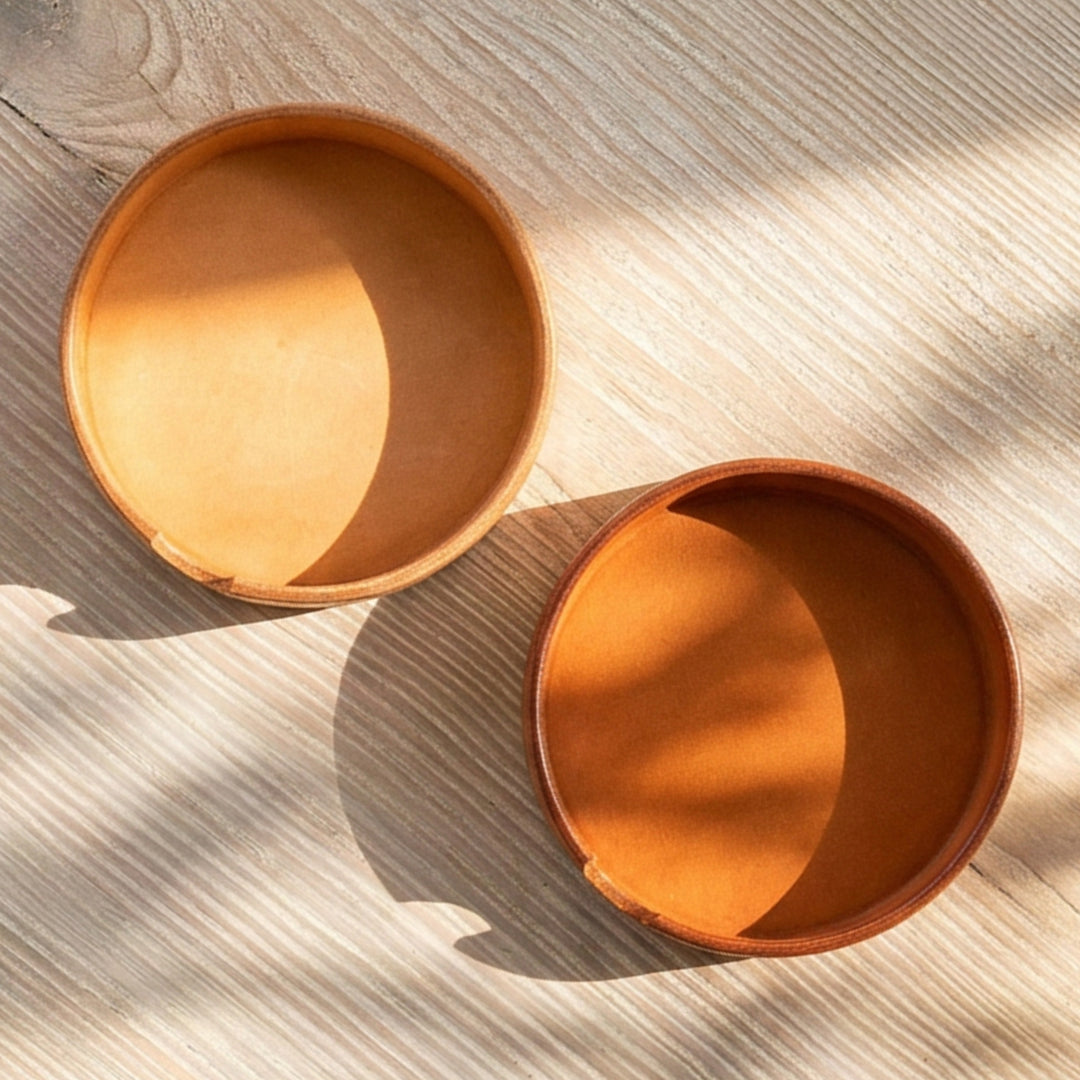
Vachetta leather is vegetable-tanned, a process that forgoes synthetic chemicals in favor of natural tannins. It's slower and more demanding than conventional tanning, which is precisely why it produces leather of a different caliber. A Vachetta piece bought today will still be in use decades from now, shaped by the person who carried it.
How We Make It
Local, Intentional, Low Waste
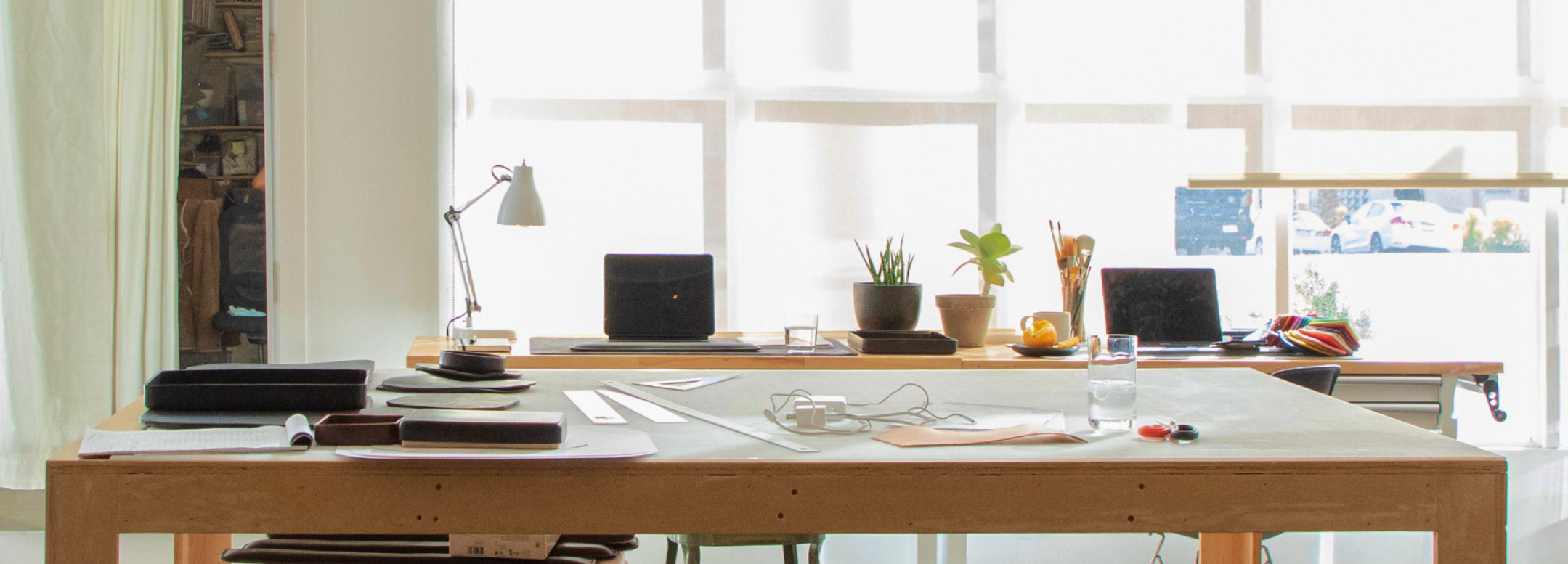
Graf Lantz has been designed and produced in Los Angeles since 2008. Working with local manufacturing partners means shorter supply chains, greater quality control, and long relationships built on accountability rather than convenience. Every cut of material is considered: off-cuts are utilized across the product line wherever possible. Packaging uses post-consumer recycled materials.
Every decision we make is held against the same standard it always has been: does this last, does this harm less, and does this respect the people and materials involved. It's a standard without a finish line.